
How to Choose Flattering Clothes With More Confidence
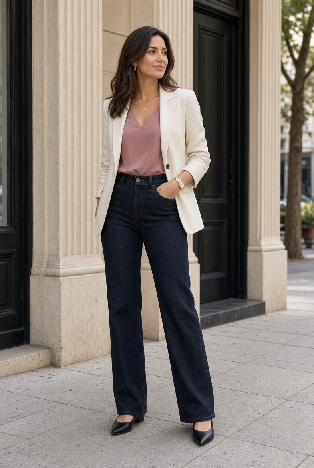
How to choose flattering clothes; the best way to dress well is to start with fit, comfort, and your own taste. how to choose flattering clothes becomes much easier when you stop chasing a perfect body and start choosing pieces that work with your real shape, daily life, and budget. This guide gives simple steps you can use in a shop, at home, or while shopping online.
You do not need a perfect figure, a large closet, or expensive labels to look put together. Instead, small choices about fit, color, fabric, length, and proportion can make a big difference.
How to Choose Flattering Clothes Starts With Fit
How to choose flattering clothes starts with fit, not the number on a size tag. A shirt can look great in one brand and feel wrong in another.
Therefore, check the shoulder line, bust or chest area, waist, seat, sleeve length, and hem. If you can move, sit, bend, and breathe with ease, the garment has a strong start.
A good fit should support your day rather than make you think about your clothes every minute.
Read Your Proportions Without Labels
Body-shape labels can help, but they are only rough guides. Real bodies do not fit neatly into fruit names or fixed boxes.
Instead, compare your shoulder, waist, and hip lines and notice where clothes usually feel tight or loose. You might have a mix of traits, and that is normal.
Use these clues to test clothes, not to judge your body.
How to Choose Flattering Clothes With a Three-Point Test
How to choose flattering clothes gets easier with a three-point test: the garment should sit correctly, move with you, and keep its shape.
If two of those three fail, leave it behind.
Try reaching forward, lifting your arms, sitting, walking, and turning. These small movements reveal problems that a still mirror can hide.
Also, think about your real routine. A soft knit may work better than a stiff jacket if you walk a lot each day. Likewise, a polished sneaker may be more useful than a delicate shoe if you spend hours on your feet.
Check the Shoulder Before Anything Else
Shoulder seams should usually sit close to your natural shoulder edge. If they fall far down, the top may look too large.
However, a deliberate drop-shoulder style can work when the whole design uses that shape.
For jackets and shirts, shoulder fit is especially important because changing it later can cost more than a simple hem.
For shoppers asking how to choose flattering clothes, this is a useful first checkpoint because shoulder fit affects the whole top.
How to Choose Flattering Clothes Around Your Face
How to choose flattering clothes also means noticing the neckline.
A V-neck can create a long vertical line, while a crew neck can look neat and simple. Meanwhile, a square or scoop neck can make a different frame around the face.
Choose the neckline that feels natural and gives you the look you want.
You can also think about earrings, necklaces, scarves, and collars. These small details can change where the eye goes without requiring a completely new outfit.
Let Sleeves and Waistlines Add Shape
Sleeves can change balance. A sleeve that ends near a narrow part of the arm can create a clean finish, while a full sleeve can create a long line.
Also, a natural waist, high waist, wrap shape, or belt can add definition.
On the other hand, a straight cut can create a calm, easy line when that feels better to you.
The goal is not to follow one rule. The goal is to find the shape that makes you feel comfortable.
How to Choose Flattering Clothes for Trousers and Jeans
How to choose flattering clothes for bottoms starts with the waistband, rise, seat, thigh, and hem.
Sit down before you decide. If the waistband digs in or the fabric pulls across the front, try another cut or size.
Straight-leg jeans give a simple line, while wide-leg jeans add room and movement. Slim styles can look clean when the fabric has enough stretch and the fit feels easy.
Also, check the back view. Jeans can look fine from the front but sit poorly across the back.
Skirts and Dresses Need Good Structure
A-line skirts widen gently from the waist, while straight skirts create a narrow line. Pleats can add movement and volume.
For dresses, check the shoulders and bust first, then the waist and hem.
Wrap, fit-and-flare, shirt, column, and relaxed dresses can all work when the proportions feel right.
There is no single dress shape that everyone must wear. In fact, fashion guidance from Who What Wear also points out that different silhouettes can work for different body shapes while leaving room for personal choice.
How to Choose Flattering Clothes With Color and Prints
How to choose flattering clothes with color and prints means using them as tools, not rules.
Bright colors, strong prints, and shine often attract attention, while quiet colors can recede.
Small prints may feel delicate, while large prints may feel bold. However, the best print is the one you enjoy seeing in the mirror.
A colorful shoe, scarf, or jacket can become the focus without changing your whole wardrobe.
You can also ask how to choose flattering clothes when a print feels exciting but the cut feels wrong: keep the print only if the garment still fits.
Build a Longer Visual Line
If you like a longer look, keep some elements connected.
Similar colors from top to bottom, open layers, straight pants, and shoes close to your trouser color can create a smooth line.
You can also use a long necklace, an open shirt, or a simple coat to create a vertical path.
These are visual choices, not rules about body size.
How to Choose Flattering Clothes by Fabric and Light
How to choose flattering clothes means looking beyond the cut.
Fabric matters as much as shape. Cotton, linen, denim, wool, knit blends, and performance fabrics behave in different ways.
Check whether the fabric stretches, wrinkles, clings, or hangs.
Also check the garment under normal light when possible. Store lighting can change how color and shape look, so a quick phone photo from the front and side can help.
A fabric that feels good against your skin is also more likely to become a regular part of your wardrobe.
Stop Letting the Size Tag Make the Decision
Sizes differ across brands and even across styles.
Stitch Fix advises shoppers not to get stuck on the number on a tag and to focus on how clothing fits and feels.
Therefore, take two or three nearby sizes into the fitting room when possible.
Choose the garment that works best, then forget the number.
A larger size that fits well can look much better than a smaller size that pulls, gaps, or feels uncomfortable.
How to Choose Flattering Clothes for Your Current Body
How to choose flattering clothes for your current body starts with kindness.
Do not make every purchase a promise about a future size. A flexible waist, adjustable tie, or stretch fabric can give you useful room during normal body changes.
Your current body deserves clothes that fit today.
If your size changes, update a few key pieces instead of replacing everything at once.
Make an Outfit Formula You Can Repeat
An outfit formula makes dressing faster.
Try:
- A fitted top plus relaxed pants
- A straight dress plus a light jacket
- A simple top plus a strong skirt
- Straight jeans plus a tucked shirt
- A knit top plus tailored trousers
Once you find two or three formulas you love, repeat them.
Repeating a successful outfit is smart, not boring. You can change shoes, bags, jewelry, or color to make the same base feel fresh.
How to Choose Flattering Clothes for Work and Events
How to choose flattering clothes for work starts with comfort and neat structure.
Choose trousers that let you sit, shirts that stay in place, and jackets that allow arm movement.
For events, first check the dress code. Then choose one feature you want to enjoy, such as color, neckline, sleeves, or shoes.
Solve comfort before decoration so you can focus on the event.
For example, if you have a long wedding day ahead, a beautiful dress that makes walking difficult may not be your best choice.
How to Choose Flattering Clothes in Hot and Cold Weather
How to choose flattering clothes changes with weather.
In hot weather, lightweight cotton, linen, breathable blends, loose shapes, and open shoes may feel better than heavy layers.
In cold weather, start with a thin base, add a warm middle layer, and finish with a coat.
Each layer should have a job instead of adding bulk at random.
For rainy weather, also think about footwear and outer layers. Practical clothing can still look polished.
How to Choose Flattering Clothes Online and on a Budget
How to choose flattering clothes online requires careful measurement.
Read the brand size chart, compare garment measurements with a piece you already own, and check the return policy before paying.
Product photos help, but measurements give better clues.
If you compare measurements carefully, how to choose flattering clothes online becomes a much calmer process.
On a budget, buy fewer pieces that work harder. Start with useful neutrals, then add a few items that bring color or personality.
Cost per wear matters more than the lowest price.
How to Choose Flattering Clothes for Different Frames
How to choose flattering clothes for petite, tall, or curvier frames often comes down to scale and fit.
Petite shoppers may need shorter sleeves or adjusted hems. Tall shoppers may need more sleeve, rise, or inseam length.
Curvier shoppers may need room across the bust, waist, hips, or thighs without sizing up everywhere.
These are starting points, not limits.
Stitch Fix’s current styling resources also emphasize personalized fit across different sizes and shapes rather than one fixed formula.
Tailoring Can Fix the Last Five Percent
A tailor can turn an almost-right garment into a favorite.
Common fixes include:
- Shortening hems
- Adjusting sleeves
- Taking in a waist
- Changing a simple seam
- Adjusting trouser length
Tailoring can also reduce the pressure to find a perfect off-the-rack fit.
However, do not pay to fix a garment with poor shoulders, weak fabric, or a cut that never feels right.
Case Studies: Small Changes, Better Outfits
Case Study 1: Maya and Her Jeans
Imagine Maya, who always bought jeans by waist size alone.
She measured a pair that fit well and compared the rise, thigh, and inseam. Her next shopping trip focused on the same shape.
As a result, she bought one pair instead of three poor fits and felt more comfortable during long workdays.
Case Study 2: Daniel and His Shirts
Now imagine Daniel, who owned many shirts but wore only two.
He tested each shirt for collar fit, arm movement, and the ability to match two pairs of trousers.
Afterward, his closet became smaller but more useful.
These examples show why how to choose flattering clothes should focus on repeatable fit instead of buying more items.
Advantages and Disadvantages of a Fit-First Approach
The advantages are practical.
| Advantage | Why It Helps |
| Better comfort | You can move more easily |
| Less wasted money | You avoid poor purchases |
| Faster dressing | Reliable outfits become easier |
| Better wardrobe use | More pieces work together |
| More confidence | You know what works for you |
| Easier shopping | You have clear fit rules |
Still, there are disadvantages.
Body-shape rules can become restrictive. Trends can change. Online size charts can also miss personal preferences.
Therefore, use styling advice as a tool, not as a strict law.
Expert Advice and Current Shopping Data
Stitch Fix says its stylists consider fit, size, style, budget, and lifestyle. Its current site reports more than 2,000 brands and styles.
Its broader styling service also says it has sent more than 100 million Fixes.
The useful lesson is simple: personal fit needs matter more than a universal formula.
Independent fashion guidance also stresses that different body shapes can use different silhouettes while still keeping personal choice at the center.
This supports a practical view of how to choose flattering clothes: combine expert help with your own fit feedback.
Hampton Roads Shopping Example and Address
If you live in Hampton Roads, Virginia, you can test these ideas in real stores.
Town Center of Virginia Beach is at 4525 Main Street, Virginia Beach, VA. The local visitor bureau describes it as a 36-acre mixed-use center with more than 20 retailers.
Norfolk Premium Outlets is at 1600 Premium Outlets Blvd, Norfolk, VA 23502. Its current store information includes Levi’s Outlet, H&M, Nike Factory Store, adidas Outlet, and other brands.
When shopping there, do not simply walk into a store and buy the first item that looks good on the hanger.
Instead, take several cuts into the fitting room and compare them.
Check current store hours before traveling because schedules can change.
Town Center of Virginia Beach information
Norfolk Premium Outlets store and address information
Your Personal Fitting-Room Checklist
Before buying, take the size you expect plus one nearby size when available.
Then check:
- Shoulders
- Neckline
- Chest or bust
- Waist
- Seat
- Sleeves
- Rise
- Hem
- Fabric
- Overall comfort
Then walk, sit, bend, raise your arms, and look from the front and side.
Finally, ask one simple question:
Would I choose this item again tomorrow?
If the answer is no, leave it.
FAQs About Flattering Clothes
FAQ 1: Is fit more important than size?
Yes. A size label is only a guide. Brands use different measurements, so the best choice is the garment that sits well, moves easily, and feels comfortable.
FAQ 2: Should clothes hide my stomach?
No. You do not need to hide any body part. If you want a smoother line, try a relaxed top, a structured jacket, a wrap shape, or a high-rise bottom.
FAQ 3: What is the most flattering dress shape?
There is no single best dress. Wrap, A-line, shirt, column, and fit-and-flare shapes can all work. Start with shoulder fit, then check the waist and hem.
FAQ 4: How can I look slimmer without shapewear?
Use fit, long lines, simple color blocks, and clothes that do not pull. You can also choose an open jacket or similar-color top and bottom for a smooth line.
FAQ 5: Are dark colors always more flattering?
No. Dark colors can create a quiet visual line, but bright colors can look wonderful too. Use color where you want attention and choose shades that suit your taste.
FAQ 6: Do patterns make you look bigger?
Not automatically. Pattern size, spacing, garment shape, and color all matter. Wear patterns that make you feel happy and balanced.
FAQ 7: Should petite people avoid long dresses?
No. A long dress can look elegant on a petite frame. The key is getting the shoulder, waist placement, and hem right.
FAQ 8: Should curvy people wear loose clothes?
Loose does not always mean better. Too much fabric can hide the shape of an outfit. Try a relaxed piece with one clear line or a defined area.
FAQ 9: What jeans are easiest to style?
Straight-leg jeans are a useful starting point because they work with many tops and shoes. However, wide-leg, bootcut, slim, and relaxed cuts can also work.
FAQ 10: How do I choose a flattering jacket?
Check the shoulder first. Then look at sleeve length, button placement, and hem. A jacket that closes comfortably and lets you move is a strong choice.
FAQ 11: What should I check when buying clothes online?
Use your body measurements, the brand’s size chart, garment measurements, fabric details, customer photos, and return terms. Never rely on the model’s size alone.
FAQ 12: How often should I replace clothes?
Replace clothing when it no longer fits, works, or looks presentable. A good garment can last for years when you care for it well.
FAQ 13: Can tailoring make cheap clothes look better?
Yes, when the fabric and construction are decent. A small hem or waist adjustment can improve the final fit more than buying a costly item that fits poorly.
FAQ 14: How can I dress well with a small wardrobe?
Choose a few colors that mix easily. Add two or three reliable bottoms, several tops, one jacket, and shoes for your daily needs. Then repeat outfits without guilt.
FAQ 15: What should I wear if my body shape changes often?
Choose flexible pieces with stretch, adjustable ties, or forgiving cuts. Buy fewer expensive items until your size feels stable, and keep a small set of reliable basics.
FAQ 16: Is body shape more important than personal style?
No. Personal style should lead. Body-shape ideas can offer options, but you should keep the looks that make you feel like yourself.
FAQ 17: How can I tell if an outfit is flattering?
Move in it, sit in it, look from the side, and take a quick photo. If you feel comfortable and like the overall line, that matters.
FAQ 18: What is the fastest shopping test?
Try the garment with the shoes and layer you plan to wear. Walk, sit, raise your arms, and check the mirror from several angles.
FAQ 19: How can I stop buying clothes I never wear?
Pause before buying and name three outfits you can make with the item. If you cannot name three, wait. This simple rule can cut impulse purchases.
FAQ 20: What is the easiest first step for a new wardrobe?
Start with one well-fitting bottom, two tops, one useful layer, and comfortable shoes. Once those pieces work together, add color and personality slowly.
Conclusion
How to choose flattering clothes is not about following a strict body rule. It is about learning what fits your body, your life, and your taste.
Start with fit. Then consider shoulders, neckline, waist, hips, movement, fabric, and length. After that, use color, texture, layers, and accessories to add personality.
Most importantly, how to choose flattering clothes should help you feel comfortable and ready, not worried about whether you match a fashion rule.
You do not need to copy a celebrity or follow every trend. Instead, build a simple system that works for your real life.
With practice, shopping becomes faster, your closet becomes more useful, and getting dressed can feel much easier.
External Resources
- Stitch Fix — Fit and personalized styling guidance
- Stitch Fix — Fit frustrations and advice about clothing sizes
- Who What Wear — Body-shape styling guide
- Visit Virginia Beach — Town Center information
- Norfolk Premium Outlets — Current address and store information