
Innovative Ways to Incorporate Lace into Fashion and Home Décor

Lace has found itself at the forefront of modern elegance with its delicate and intricate designs. While traditionally associated with vintage fashion and home décor, today, it is a symbol of versatility across various creative endeavors. When artfully integrated, lace fabric can elevate the aesthetic appeal of clothing and interior spaces, offering a subtle blend of sophistication and innovation.
Over time, lace has undergone significant change and is currently used in many contemporary applications as a medium for artistic expression. By exploring the different types of lace fabric available, designers and enthusiasts can unlock its potential in transforming everyday fashion and décor into extraordinary art forms.
Lace has long been revered for its intricate beauty and has seen continual reinvention to meet the evolving demands of fashion and interior design. Traditionally, lace symbolized high society, symbolizing wealth and status. Its elaborate patterns were painstakingly crafted by hand, making it a valuable and cherished textile. In contemporary times, the production processes have advanced, making lace more accessible while maintaining its luxurious essence.
Lace in Contemporary Fashion
Today’s fashion designers have seamlessly woven lace into modern-style fabric, utilizing it innovatively to extend beyond its historical constraints. Lace is now a common fixture in casual wear, adding an understated elegance to everyday garments.
Recent high-fashion events like the Paris Fashion Week have highlighted lace’s enduring inspiration. Designers have showcased collections incorporating lace in unexpected ways, pairing it with daring cuts and modern silhouettes, demonstrating its ability to transcend traditional boundaries. It revitalizes its appeal and shows how it caters to diverse tastes and preferences.
Mixing Lace with Other Fabrics
The harmonious lace blends with other textiles to create a visual tapestry of contrasts and complements. Combining lace with materials like denim or leather can create bold, striking designs that captivate the eye. Such mixes allow for playful experimentation, as lace softens the toughness of heavier fabrics, creating dynamic pieces perfect for casual and formal occasions. Furthermore, juxtaposing lace with vibrant prints can add depth and interest, making it a focal point in any ensemble.
Lace in Home Décor
The application of this fabric extends far beyond the realm of clothing. In home décor, lace continues to be a timeless choice. Lace curtains cast soft, filtered light that adds warmth and coziness to a space, while lace tablecloths bring vintage charm to dining settings. The versatility of lace permits it to be used creatively, transforming it into wall hangings or embellishing furniture pieces. These unique applications highlight their adaptability and lasting appeal in creating a welcoming home environment.
Sustainability and Lace Production
With growing awareness of environmental impact, the textile industry is shifting towards more sustainable practices. Lace production is gradually embracing eco-friendly methods, ensuring that style does not come at the expense of sustainability. In the context of broader industry changes, emphasis on sustainable textiles is apparent, as captured in articles like this discussion on sustainable manufacturing. Fortifying the narrative of responsible production, these efforts underscore the importance of supporting sustainable creativity.
DIY Projects with Lace
Lace is a versatile material that offers numerous DIY opportunities for craft enthusiasts. Lace can improve a variety of tasks with its delicate texture and elaborate designs. One common use is making sophisticated bookmarks that can be personalized with various lace patterns to express individual flair. Additionally, it can be used as decorative accents on various personal accessories, such as bags or clothing, adding a touch of sophistication. A notable project is the creation of a lace lampshade; this not only showcases the beauty of lace but also serves a functional purpose by pleasantly diffusing light, contributing to the overall ambiance of a room. Whether for practical use or decorative flair, incorporating lace into DIY projects can elevate the aesthetic appeal and craftsmanship of the final product.
Purchasing and Caring for Lace
Discerning purchasing and meticulous care are essential to ensure that lace retains its material’s character. When selecting lace, it’s important to consider several factors, including the type of lace, such as Chantilly, Venetian, or Alençon, as each has unique qualities and characteristics. Assessing the quality of craftsmanship is crucial; look for even stitching, consistent patterns, and the absence of fraying edges, as these elements indicate a well-made piece. The material’s durability should also be considered; natural fibers like cotton or silk often provide more longevity than synthetic options.
The delicate texture of lace must be maintained with similar care. The fabric may be preserved by utilizing moderate washing methods like handwashing in cold water with a little detergent or machine washing in a lingerie bag on a soft cycle. Avoiding bleach and harsh chemicals is key to preventing discoloration and weakening of the fibers. After washing, lace should be laid flat to dry, away from direct sunlight, to avoid fading and stiffness. Moreover, storing lace items in breathable, acid-free tissue paper or bags in a cool, dark place can help prevent yellowing or damage from pests. Following these guidelines, lace pieces can remain cherished in any wardrobe or home for years.
Conclusion: The Timelessness of Lace
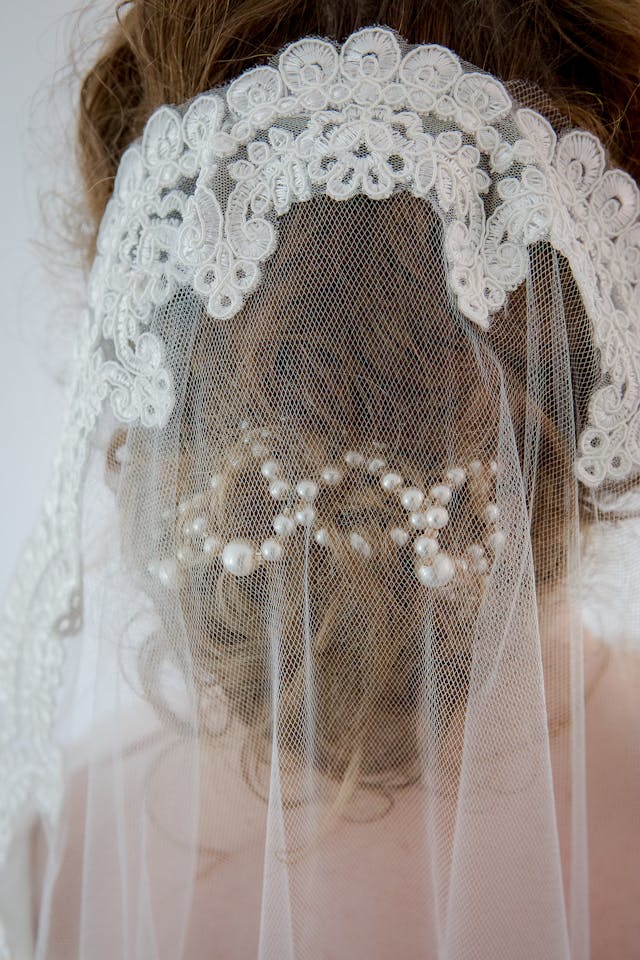
Lace has long been regarded as a sophisticated fashion and home décor element, bridging tradition and modernity. Lace has expanded its stylistic range by beginning in the late Middle Ages and evolving through various historical periods, showcasing intricate patterns and diverse applications. Today, it is utilized in multiple garments, from elegant wedding dresses to casual wear, highlighting its versatility and adaptability to different fashion trends. In home décor, lace is often featured in table linens, curtains, and decorative accents, adding a touch of elegance and texture to living spaces. The craftsmanship involved in creating lace, whether handmade or machine-produced, speaks to the artistry and creativity of artisans. Furthermore, lace’s enduring appeal stems from its ability to inspire and evoke emotions across various domains, making it a beloved choice for creative expression in contemporary design. Its ongoing relevance ensures that lace will continue to be cherished in personal style and interior aesthetics for generations.