
Do Mirrored Sunglasses Actually Offer More Protection?

Mirrored sunglasses have become popular for their sleek, reflective look and bold colors. People often assume that the mirror-like surface automatically means better protection for the eyes. But does the mirrored coating actually make sunglasses safer or more effective, or is it mostly about style?
The truth is a little more nuanced. While mirrored lenses do have protective benefits, it’s important to understand how they work and how they compare to other sunglass features like UV protection and polarization. If you’re shopping for new sunglasses and wondering whether mirrored lenses are worth it, this article will walk you through what they do, what they don’t do, and when they’re a good choice.
To start, it helps to understand what a mirrored lens actually is. A mirrored lens has a special reflective coating on the outside of the lens. This coating reflects a portion of the light that hits the lens surface, which reduces the amount of light that passes through to your eyes. The more reflective the coating, the more light is bounced away.
The main advantage of mirrored lenses is that they make everything appear a bit darker. This is helpful in bright environments like snow-covered slopes, open water, deserts, or sunny city streets where harsh light can overwhelm your eyes. Because they reduce glare and overall brightness, mirrored sunglasses are often preferred for high-exposure outdoor activities like skiing, boating, hiking, and even long-distance driving.
However, it’s important to know that the mirror coating itself does not block ultraviolet (UV) rays. UV protection comes from the lens material or added UV-blocking treatments, not the reflective surface. A mirrored lens with no UV protection can still allow harmful UVA and UVB rays to reach your eyes. This is why the most critical thing to check on any pair of sunglasses — mirrored or not — is whether the lenses are rated UV400 or claim 100% UV protection. Without this, your eyes are still at risk.
Some people mistakenly think that darker lenses or mirrored lenses automatically offer better protection. But if the lens isn’t made to filter UV rays, a dark or mirrored tint can actually be worse. Your pupils dilate behind the darker lens, which means more light — and potentially more UV rays — can enter your eyes. So when you’re buying mirrored sunglasses, don’t just judge them by the surface. Check the specs.
Another thing mirrored sunglasses do well is reduce visible glare, especially off horizontal surfaces like water or pavement. This can reduce eye strain and help you see more clearly in intense light. However, mirrored lenses are not the same as polarized lenses. Polarization is a separate process where the lens filters out specific light waves that cause glare. Many sunglasses combine polarization with a mirror coating, which gives you the best of both worlds — but again, they are not automatically linked.
If you’re someone who works or plays in extremely bright environments, mirrored lenses can help keep your eyes more comfortable. Think about how much squinting you do on a sunny beach or while driving toward the afternoon sun. That squinting isn’t just annoying — it puts strain on your eye muscles and can lead to headaches, watery eyes, and fatigue. Mirrored lenses help block that extra brightness and let you relax your eyes.
Mirrored sunglasses are also useful at high altitudes. The higher you go, the stronger the UV rays. When you combine altitude with a reflective surface like snow or rock, your eyes are hit with even more brightness. Mountaineers, skiers, and desert hikers often rely on mirrored sunglasses to cut the glare and reduce exposure to high-intensity light.
Faded Days Sunglasses, for instance, offers mirrored options that also include UV400 protection and polarization, making them suitable for extreme sunlight conditions while still being lightweight and comfortable.
While mirrored lenses help in the brightness department, they aren’t perfect for all situations. Because they reduce the amount of light that reaches your eyes, they can be less helpful in lower-light conditions. If you move into shaded areas, tunnels, or cloudy environments, mirrored sunglasses might make it harder to see details. For this reason, they’re not always ideal for dusk, dawn, or overcast days unless the mirror coating is paired with lighter tints or adaptive lenses.
Another consideration is how mirror coatings affect lens durability. While many modern mirrored sunglasses are made with scratch-resistant coatings, some cheaper versions may peel or fade over time, especially if you clean them with rough cloths or expose them to harsh chemicals like sunscreen or saltwater. If you’re buying mirrored sunglasses, it’s smart to go with a quality brand that uses durable, coated lenses.
It’s also worth noting that mirrored sunglasses offer some added privacy. Because the lenses reflect so much light, people can’t see your eyes through them as easily. Some people like this for style or comfort — especially during long outdoor activities where you’re in the sun for hours and want to avoid eye contact or squinting.
Choosing a mirrored lens color can also change how you experience the world. Different mirror tints affect how light is filtered. Silver and blue mirrored lenses typically provide the darkest tint and most reflection, making them great for bright, sunny conditions. Gold or green mirrors may offer a warmer visual tone, while red or orange can improve depth perception and contrast. These differences are subtle but can matter depending on your personal needs or preferences.
Ultimately, whether or not you should choose mirrored sunglasses depends on how and where you plan to use them. If you spend a lot of time in very bright sunlight, around reflective surfaces, or in high-altitude conditions, mirrored lenses can make a big difference. They’ll reduce eye fatigue, help you see more clearly, and keep you more comfortable for longer periods.
But don’t rely on the mirror coating alone. Always check for full UV protection, and consider combining mirrored lenses with polarization for the best results. If you’re shopping for mirrored sunglasses for the first time, try them on in different lighting if possible, or look for reviews that mention how they perform in real-world conditions.
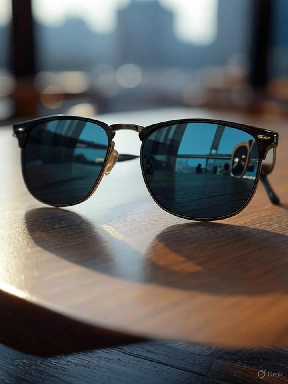
In the end, mirrored sunglasses are more than just a stylish accessory. When chosen carefully, they offer real benefits for your eyes — especially in situations where too much light can hurt your vision or your productivity. Just make sure you know what you’re getting, and don’t forget the features that matter most: full UV protection, lens quality, comfort, and fit.
So the next time you see a pair of shiny, reflective sunglasses on the shelf, know that they can do more than just look cool. With the right specs, they might just become your go-to protection in the brightest moments of your day.