
Modal Fabric: What It Is, Real-Life Uses, Benefits, and Price Breakdown
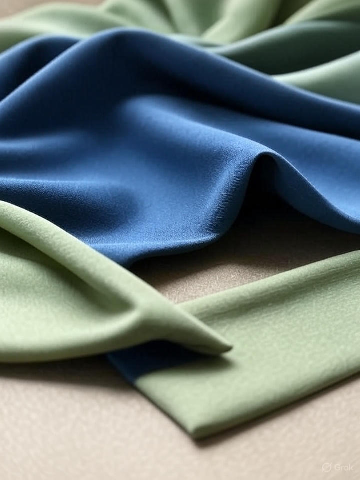
Modal fabric is a super soft, smooth, and stretchy material that feels amazing on your skin. It’s made from beech tree pulp and often used in everyday clothes, like T-shirts, underwear, pajamas, and bedsheets. People love it because it’s breathable, eco-friendly, and very comfortable to wear.
In this post, we’ll break down what modal fabric is, where it’s used, its pros and cons, real-life examples, expert advice, pricing, and even include a handy comparison chart. Let’s dive in!
🧵 What Is Modal Fabric?
Modal fabric is a type of semi-synthetic fabric made from regenerated cellulose fibers taken from beech tree pulp. It’s part of the rayon family, along with viscose and lyocell.
It was first developed in Japan in the 1950s and has since grown in popularity for being lightweight, soft, and durable.
🟩 How Is Modal Fabric Made?
Here’s a simplified version of the modal fabric-making process:
- Beech trees are harvested.
- The wood is turned into pulp.
- The pulp is treated with chemicals to extract cellulose.
- The cellulose is spun into fibers.
- The fibers are woven into fabric.
Though it involves chemicals, the process for modal is cleaner and more eco-friendly compared to traditional rayon.
🧍 Real-Life Example of Modal Fabric
Let’s take Sarah, a 30-year-old yoga teacher in California. She wears modal-fabric leggings because they’re:
- Stretchy
- Breathable
- Don’t hold sweat
- Soft against the skin
Sarah says:
“I used to wear cotton, but ever since I tried modal, I can’t go back. It’s like wearing air!”
📍 Where Is Modal Fabric Used?
You can find modal fabric all around you:
- T-shirts
- Undergarments
- Socks
- Pajamas
- Bed sheets
- Athletic wear
It’s especially common in countries with a big textile market like India, Bangladesh, Vietnam, and the USA.
✅ Advantages of Modal Fabric
Let’s go over why people love modal:
| Feature | Benefit |
|---|
| Softness | Feels like silk or high-end cotton |
| Breathable | Great for hot days or workouts |
| Absorbs moisture | Keeps you dry |
| Durable | Doesn’t shrink or lose shape easily |
| Eco-friendly process | Less water and energy used |
| Color retention | Keeps colors bright after many washes |
❌ Disadvantages of Modal Fabric
Even though modal is amazing, it’s not perfect:
- Can be pricey compared to regular cotton
- Needs careful washing—hot water may damage it
- Chemicals used in production, though less than viscose
- May pill over time if not cared for properly
📊 Modal Fabric vs Other Fabrics (Comparison Chart)
| Feature | Modal | Cotton | Viscose | Polyester |
|---|
| Softness | Very soft | Medium to soft | Soft | Rougher feel |
| Breathability | Excellent | Good | Good | Poor |
| Moisture-wick | High | Low | Medium | Low |
| Eco-friendliness | High | Medium | Low | Very low |
| Stretch | Moderate | Low | Low | High |
| Price (avg) | $$ | $ | $ | $ |
💸 What Is the Price?
Prices vary by brand and quality, but here’s a rough guide:
- Raw modal fabric (per yard): $8–$15
- Modal T-shirts: $20–$50
- Bedsheets: $60–$150
- Underwear: $10–$30 each
Because of its softness and eco-friendly edge, it’s a bit more expensive than regular fabrics.
🗨️ What Do Experts Say About Modal Fabric?
Dr. Karen Lau, textile researcher from Textile Exchange, says:
“Modal is a great option for consumers looking for both comfort and sustainability. Its production uses up to 20x less water than cotton.”
Fashion designer Emily Torres adds:
“I use modal for my luxury loungewear line. It gives a premium feel without harming the planet.”
🛍️ Where Can You Buy Modal Fabric Products?
You can find modal-based clothing and bedding at:
Just check the label for “modal” or “Lenzing Modal.”
✍️ How to Take Care
To keep your modal items fresh:
- Wash in cold water
- Use gentle detergents
- Avoid bleach
- Hang or lay flat to dry
- Iron on low heat if needed
This helps the fabric last longer and stay soft.
🧠 Related Topics
Some related fabric terms you may want to explore:
- Tencel: Another eco-friendly fiber made from wood pulp
- Lyocell: Similar to modal but stronger and more absorbent
- Bamboo Fabric: Soft, sustainable, and often used in similar products

❓ FAQs
Q1: Is modal fabric good for summer?
Yes! The fabric is breathable and absorbs sweat, making it ideal for warm weather.
Q2: Is modal better than cotton?
Modal is softer, more breathable, and retains shape better. But cotton is cheaper and easier to care for.
Q3: Does modal shrink in the wash?
Not much. As long as you wash it in cold water and avoid the dryer, it holds its shape well.
Q4: Can people with sensitive skin wear modal?
Absolutely. Modal is smooth, gentle, and less likely to cause irritation than synthetic fabrics.
Q5: Is fabric safe for the environment?
Yes, especially Lenzing Modal, which uses eco-friendly production methods and renewable beech trees.
🧾 Final Thoughts
Modal fabric is a top pick for people who love comfort, care about the planet, and want their clothes to last. It feels luxurious but works for everyday use. Whether you’re looking for better sleepwear, moisture-wicking workout clothes, or soft bed sheets, modal has your back.
It may cost a little more, but many say it’s worth it.
External References: